
Embracing the Seasons: Strategic Downtime for Business Success

Building a Relentless Fan Base: Insights from Football for Business Success
December 30, 2025
Navigating the Red Zone: Achieving Business Success through Strategic Focus and Perseverance
January 15, 2026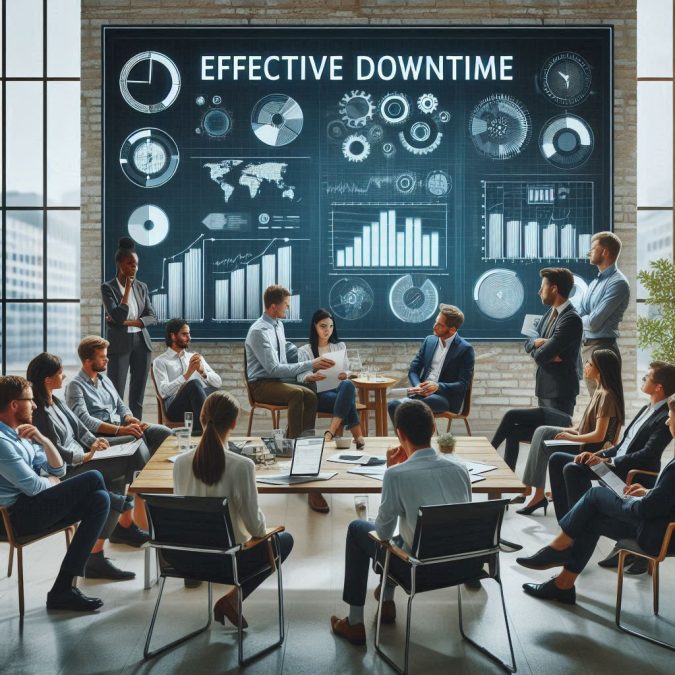
In both football and business, understanding and leveraging the concept of “seasons” is crucial for achieving sustained success. Just as football has a defined playing season and an off-season, businesses also experience intense activity cycles followed by periods of reflection and preparation. This blog post, inspired by the chapter “Seasons” from the book “First and Ten on the Twenty… Is it Football, Business or Life?”, explores how business professionals can use the natural ebbs and flows of business cycles to their advantage.
The Football Season: A Model for Business Cycles
The football playing season runs from September through December, with playoffs extending into February. During this time, teams are focused on performing at their peak, with every game contributing to their ultimate goal of winning championships. However, the off-season, often overlooked, is equally important. It is a time for rest, recovery, and strategic planning for the next season.
The Importance of the Off-Season
The off-season in football allows players to recover from the physical and mental demands of the game. It is also a time for teams to evaluate their performance, identify areas for improvement, and develop strategies for the upcoming season. Similarly, businesses need to recognize the importance of downtime and use it effectively.
Business Cycles and Off-Seasons
Most businesses have some form of a yearly cycle. For example, the retail industry experiences peak activity during the holiday season, while the construction industry might be busier during the warmer months. Recognizing these cycles and planning accordingly can help businesses maintain high performance without burnout.
Evaluating Performance
The off-season provides an opportunity to reflect on the past year’s performance. This involves analyzing what worked well and what did not, identifying strengths and weaknesses, and setting goals for the future. For instance, a retailer might review sales data from the holiday season to determine which products were most popular and which marketing strategies were most effective.
Strategic Planning
Strategic planning is a key activity during the off-season. Businesses should use this time to develop new products, improve processes, and plan marketing campaigns. This forward-thinking approach ensures that the business is prepared to capitalize on opportunities when the busy season arrives.
Creating Your Own Off-Season
Some businesses, like emergency services or healthcare, may not have a natural off-season. In such cases, it is essential to create one for the purpose of evaluating the business. This can be accomplished by analyzing weekly or monthly profit and loss statements or activity logs. One example of an activity log would be previous years’ surgery schedules or appointment calendars.
Personal Downtime
Just as businesses need an off-season, individuals do, too. High-performing professionals need breaks to recharge and avoid burnout. Taking time off allows for reflection and helps maintain a healthy work-life balance. This downtime is crucial for long-term productivity and creativity.
The Benefits of Strategic Downtime
Enhancing Creativity and Innovation
Downtime can be a period of creativity and innovation. Stepping away from the daily grind allows for fresh perspectives and new ideas. For example, many companies often use off-seasons to develop new products and technologies, ensuring they stay ahead of the competition.
Building Resilience
Regular breaks help build resilience, enabling professionals to handle the pressures of peak seasons more effectively. Just as athletes need rest to perform at their best, business professionals need downtime to maintain high performance.
Strengthening Relationships
The off-season is also an excellent time to strengthen client, employee, and partner relationships. This can involve hosting appreciation events, conducting training sessions, or simply taking the time to communicate and connect.
Practical Steps for Embracing the Off-Season
- Plan Ahead: Anticipate busy periods and schedule downtime accordingly. Use slower periods for strategic planning, training, and innovation.
- Evaluate and Reflect: Regularly review business performance to identify areas for improvement. Set goals and develop strategies for the upcoming season.
- Delegate and Empower: Train staff to handle key responsibilities, allowing business owners and managers to take a step back and recharge.
- Prioritize Well-being: Encourage a culture of work-life balance. Promote the importance of taking breaks and maintaining mental and physical health.
- Foster Creativity: Use downtime to explore new ideas and innovate. Create an environment that encourages creativity and out-of-the-box thinking.
- Build and Maintain Relationships: Strengthen relationships with stakeholders during the off-season. This builds loyalty and can lead to new opportunities.
Conclusion: Leveraging Seasons for Sustainable Success
Understanding and leveraging the concept of seasons is vital for achieving long-term success in both football and business. The off-season is not a time of inactivity but a strategic period for recovery, reflection, and preparation. By embracing this mindset, companies can ensure they are always ready to perform at their best during peak seasons.
By recognizing the value of the off-season and using it strategically, high-end business professionals can enhance their performance, foster innovation, and build a resilient and successful enterprise.
This blog post draws on the insights from the twenty-third chapter, “Seasons”, of my book “First and Ten on the Twenty…is it Football, Business or Life?”, where twenty-four aspects of the business and game of football are explored in depth on how they can be applied to business and life. For more on strategic planning and achieving business excellence, delve into the full text and discover how to apply these principles. https://toddsmithconsulting.com/author/
If you would like a more in-depth personal discussion on how this concept could benefit you career or business, feel welcome to contact me at tsmith@toddsmithconsulting.com, or PM me